Compare Local Contractors for Insulation Installation Success
Compare local contractors for insulation installation to define project scope, verify experience, and establish clear expectations in writing for a successful job.
Insulation installation services typically cover a range of tasks aimed at improving a property's thermal performance. This includes selecting appropriate insulation materials, preparing spaces such as attics, walls, or basements, and properly installing insulation to ensure it functions effectively over time. Proper installation involves ensuring that insulation is evenly distributed, securely fitted, and free of gaps or compression that could reduce its effectiveness. Understanding the scope of work helps property owners know what to expect and ensures the project addresses specific needs, whether it's upgrading existing insulation or installing new materials in a renovation or new construction.
Defining the scope of insulation work is essential for setting clear expectations and avoiding misunderstandings. A well-detailed scope outlines what areas will be insulated, the types of materials to be used, and any preparation or finishing work required. This clarity helps property owners communicate their goals to service providers and ensures contractors understand the project’s requirements. When scope details are documented, it becomes easier to compare proposals, verify that all necessary work is included, and hold contractors accountable for delivering the agreed-upon services.
Property owners seeking insulation installation can compare local service providers by assessing their experience, reputation, and the range of services offered. It’s beneficial to review how each contractor approaches the scope of work and whether they provide detailed proposals or written estimates. Asking for references or examples of previous projects can offer insight into their expertise and reliability. Additionally, verifying that contractors understand the specific needs of the property and can clearly communicate the scope of work helps ensure a smoother project process. Comparing these factors allows property owners to select a reputable contractor capable of meeting their insulation needs effectively.
Compare local contractors by outlining your priorities, verifying experience, and setting clear expectations in writing.
- Compare Contractor Credentials - Review the experience and reputation of local contractors to ensure quality insulation installation.
- Define Project Scope Clearly - Specify the areas to be insulated and the desired level of service in written agreements.
- Verify Experience and Expertise - Confirm that service providers have relevant experience with insulation materials and installation techniques.
- Set Expectations in Writing - Document the scope, materials, and responsibilities to avoid misunderstandings during the project.

Clearly describe your insulation project first, then compare local contractors based on experience, scope, and written expectations.
- Verify that the contractor clearly defines the scope of insulation installation services in writing. - Ensure the service provider specifies the types and areas of insulation to be installed.
- Check that the contractor has relevant experience with the specific insulation materials and techniques required. - Look for local contractors with a proven track record in insulation installation projects.
- Confirm that the scope of work, including materials and installation details, is documented in a written agreement. - A detailed contract helps set clear expectations and avoid misunderstandings.
- Assess the contractor’s knowledge of proper insulation installation practices to ensure quality work. - Choose service providers who demonstrate expertise in best practices for insulation performance.
- Ensure the contractor provides a detailed description of the installation process and any necessary preparations. - Clear communication about procedures helps in evaluating the thoroughness of the service.
- Compare multiple local contractors to evaluate their scope definitions, experience, and written proposals. - Gathering several quotes allows for better understanding of the services offered and scope clarity.
Compare local contractors’ experience and services to clearly define your insulation installation scope and expectations.
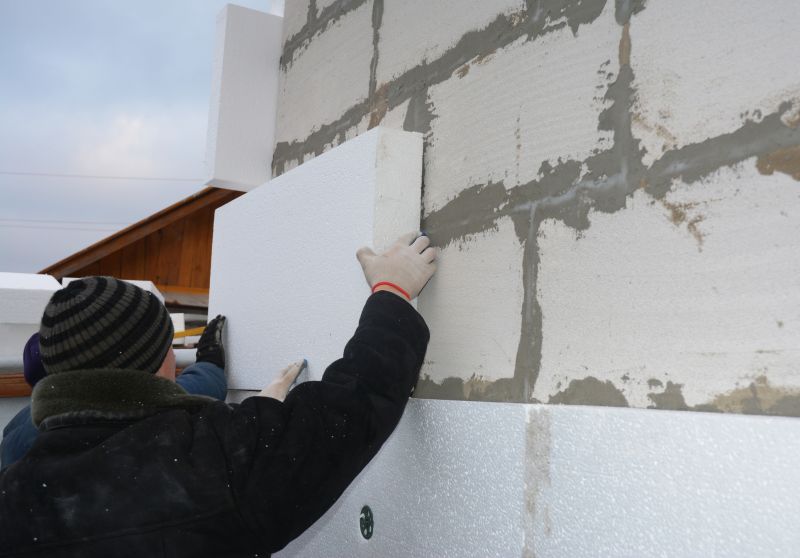
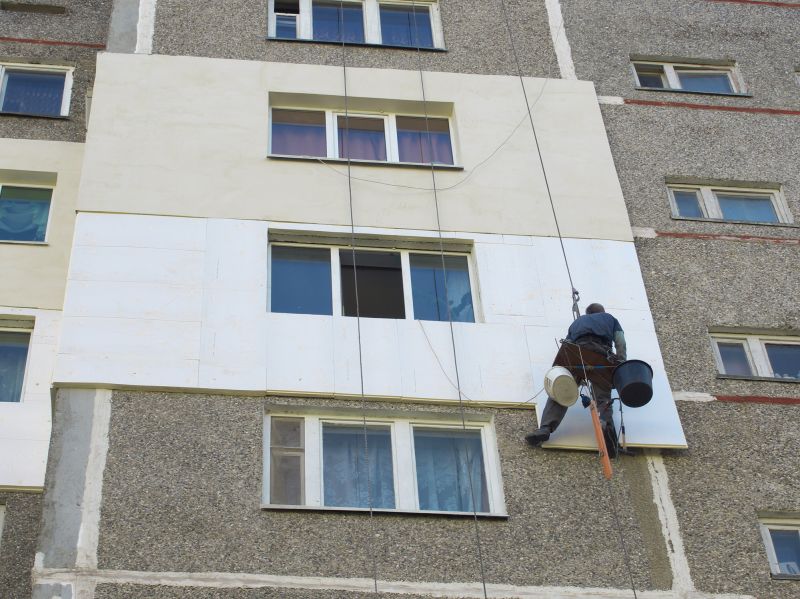

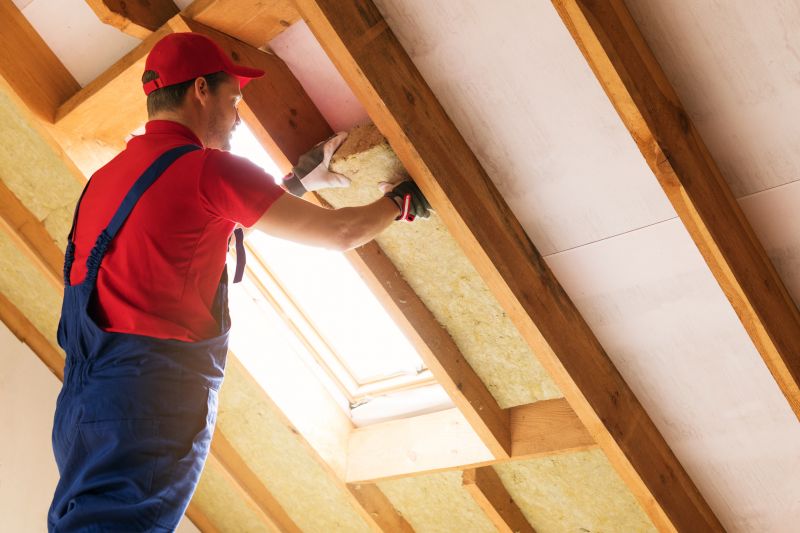
Use consistent comparison criteria across local contractors by clearly defining scope, verifying experience, and documenting expectations in writing.
- Define insulation scope - specify the areas and types of insulation materials to be installed in the project.
- Verify experience and expertise - ensure service providers have a proven track record with insulation installation projects similar in scope.
- Establish project expectations in writing - document the work details, materials, and responsibilities to prevent misunderstandings.
- Compare service providers - evaluate multiple local contractors based on their experience, reputation, and scope of work.
- Confirm scope details before work begins - review and agree upon the defined scope to ensure all parties understand the project requirements.
When evaluating contractors for insulation installation, it’s important to consider their experience with similar projects. Homeowners should inquire about the types of insulation work the service providers have completed and whether they have a history of handling projects comparable in size and scope. A contractor with relevant experience is more likely to understand the specific challenges of insulation installation in different home configurations and can provide insights into best practices that ensure effective results.
A clear, written scope of work is essential for setting expectations and avoiding misunderstandings. Homeowners should seek detailed descriptions of what the project will include, such as the type of insulation to be installed, areas targeted, and any preparatory work needed. Having this information documented helps ensure both parties are aligned on the project’s objectives and deliverables, creating a solid foundation for the work process.
Verification basics involve confirming that the contractor understands the fundamentals of insulation installation and can demonstrate knowledge of proper techniques and standards. Homeowners can ask service providers about their approach to insulation quality, how they handle different materials, and what steps they take to ensure the work meets industry best practices. While formal certifications are not the focus, a contractor’s familiarity with verification methods-such as inspecting for proper coverage and insulation density-can indicate a commitment to quality.
When comparing options, it is helpful to evaluate how each contractor presents their scope and approach in writing. Look for detailed proposals that outline the work process, materials, and expectations clearly. Asking service providers about their experience, methods, and how they plan to verify the quality of the installation can provide insight into their professionalism and reliability. Avoiding assumptions and focusing on documented information allows homeowners to make informed decisions based on the consistency and clarity of each contractor’s communication.
Ask contractors to provide written scope details to ensure clear expectations and consistent project understanding.
- Experience with Insulation Types - What types of insulation installation projects have local contractors completed successfully?
- Scope of Services - How do local service providers define and clarify the scope of insulation installation work?
- Experience Verification - How can one verify the experience and expertise of local contractors in insulation installation?
- Scope Documentation - Are the details of the insulation installation scope documented clearly in written agreements?
- Comparison Criteria - What specific qualifications or experience should be compared when evaluating local contractors for insulation work?
What should I consider when choosing contractors for insulation installation? It's important to compare local contractors based on their experience, reputation, and the scope of services they offer to ensure they meet the specific needs of the project.
How can I verify a contractor's experience with insulation projects? You can review their past work, ask for references, or check if they have relevant project portfolios to assess their expertise in insulation installation.
What details should be included in a written scope of work? A comprehensive scope should specify the types of insulation, areas to be covered, materials to be used, and any specific installation requirements or standards.
Why is it important to compare multiple local contractors? Comparing different service providers helps identify those with the most relevant experience, clear communication, and the ability to meet your project's expectations.
How can I ensure clear communication with a contractor about the project? Set expectations in writing by detailing the scope, materials, and any specific requirements, and confirm that the contractor understands and agrees to these terms.
What questions should I ask a contractor before hiring for insulation installation? Inquire about their experience with similar projects, the materials they recommend, how they handle project scope, and how they ensure quality and safety during installation.
Contractors for insulation installation can vary in experience, scope, and approach. This page has highlighted the importance of clearly defining project expectations, verifying the background of service providers, and comparing options to find the best match for specific needs. Taking the time to evaluate local contractors ensures that the project aligns with personal requirements and preferences.
Using the quote form allows for straightforward comparison of available service providers in the area. It helps gather information on different contractors, so the focus remains on selecting the right local professionals to handle the insulation installation. Connecting with multiple options provides a clearer picture of what each can offer, making it easier to make an informed decision.