Residential Insulation Service in Austin, TX
Residential insulation services involve installing or upgrading insulation materials within a home to improve energy efficiency and comfort. These projects typically include insulating attics, walls, basements, and crawl spaces, helping to regulate indoor temperatures and reduce heating and cooling costs. Homeowners often seek insulation services when building new homes, renovating existing spaces, or addressing issues like drafts, uneven temperatures, or high energy bills. Before requesting insulation work, property owners usually want to understand the types of insulation available, the areas that can benefit most from insulation, and how the process might affect their home's overall energy performance.
It is also common for homeowners to inquire about the different insulation options, such as fiberglass, foam, or cellulose, and their suitability for specific parts of the home. Understanding the current state of existing insulation, the potential improvements, and any necessary preparations can help ensure the project meets expectations. Property owners may also want to know about the impact of insulation on indoor air quality, moisture control, and long-term energy savings, enabling informed decisions about their home's comfort and efficiency.
Many property owners in Austin, TX look into Residential Insulation service for repairs, replacements, upgrades, and appearance-related improvements.
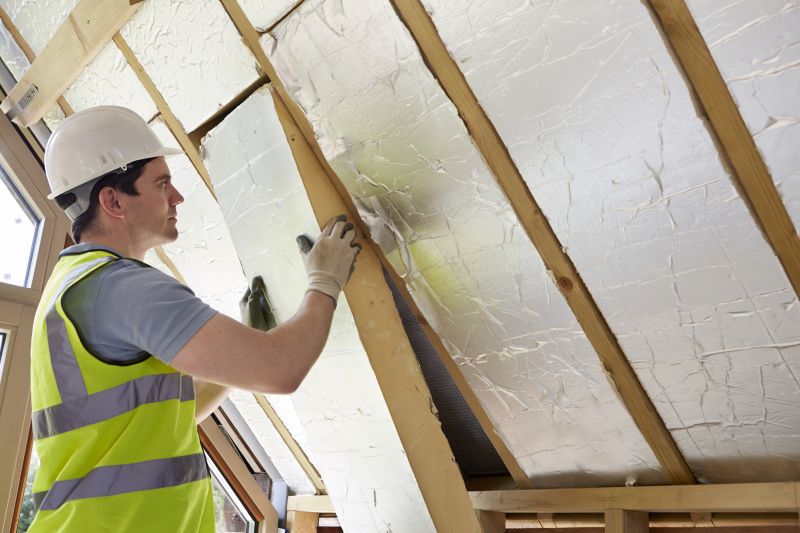
Attic Insulation Solutions
Proper attic insulation helps maintain consistent indoor temperatures and reduces energy costs.
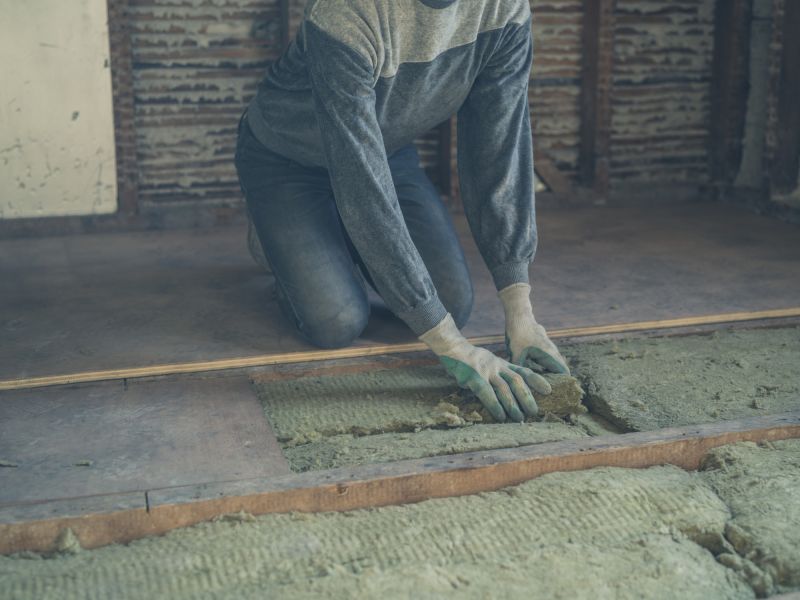
Wall And Ceiling Insulation
Adding insulation to walls and ceilings can improve comfort and reduce noise transfer in homes around austin.
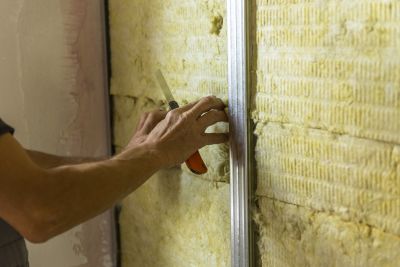
Basement And Crawl Space Insulation
Insulating basements and crawl spaces prevents drafts and helps keep living areas warmer during cooler months.
Residential Insulation Service in Austin, TX
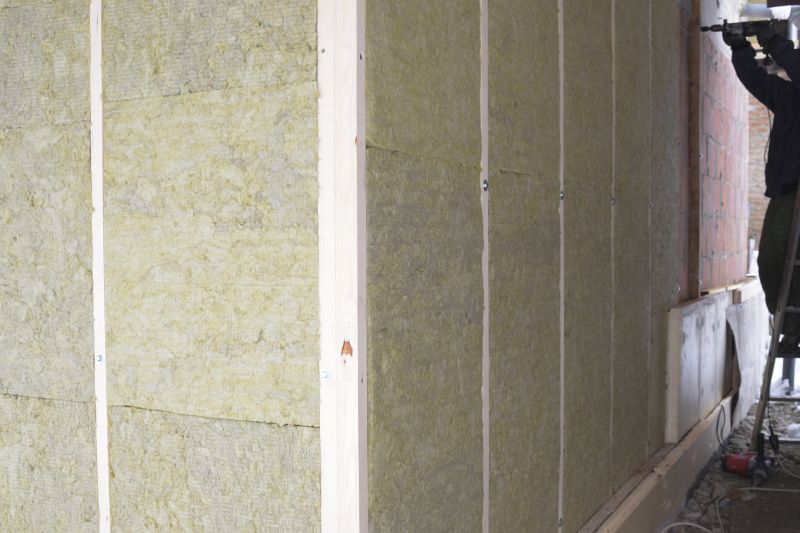
Residential insulation services involve installing or upgrading insulation materials within a home to improve energy efficiency and comfort. These projects typically include insulating attics, walls, basements, and crawl spaces, helping to regulate indoor temperatures and reduce heating and cooling costs. Homeowners often seek insulation services when building new homes, renovating existing spaces, or addressing issues like drafts, uneven temperatures, or high energy bills. Before requesting insulation work, property owners usually want to understand the types of insulation available, the areas that can benefit most from insulation, and how the process might affect their home's overall energy performance.
It is also common for homeowners to inquire about the different insulation options, such as fiberglass, foam, or cellulose, and their suitability for specific parts of the home. Understanding the current state of existing insulation, the potential improvements, and any necessary preparations can help ensure the project meets expectations. Property owners may also want to know about the impact of insulation on indoor air quality, moisture control, and long-term energy savings, enabling informed decisions about their home's comfort and efficiency.
Many property owners in Austin, TX look into Residential Insulation service for repairs, replacements, upgrades, and appearance-related improvements.
Common Residential Insulation Service Jobs
Attic Insulation - helps improve energy efficiency by reducing heat transfer in the attic space.
Wall Insulation - enhances thermal comfort and reduces drafts through exterior and interior walls.
Crawl Space Insulation - prevents heat loss and moisture issues in accessible crawl spaces.
Basement Insulation - maintains consistent temperatures and minimizes moisture in basement areas.
Soundproofing Insulation - reduces noise transfer between rooms and from outside sources.
Attic Ventilation Insulation - works with ventilation systems to optimize airflow and energy savings.
Residential Insulation Service Questions
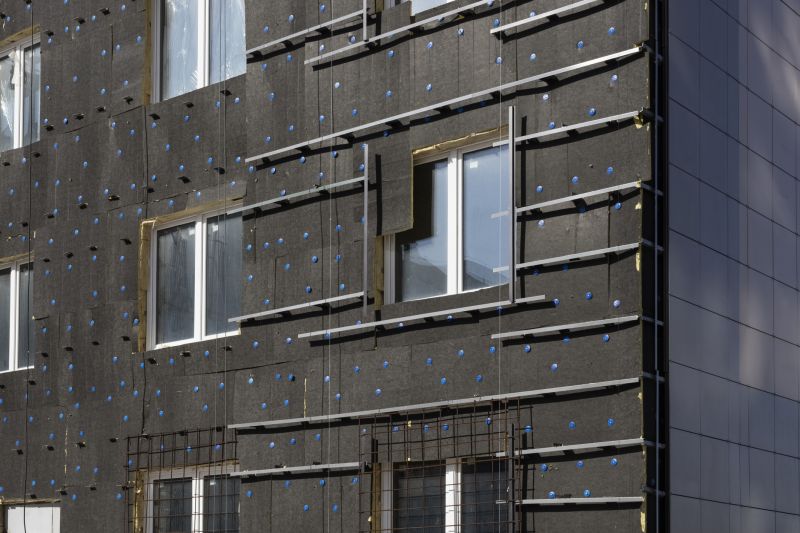
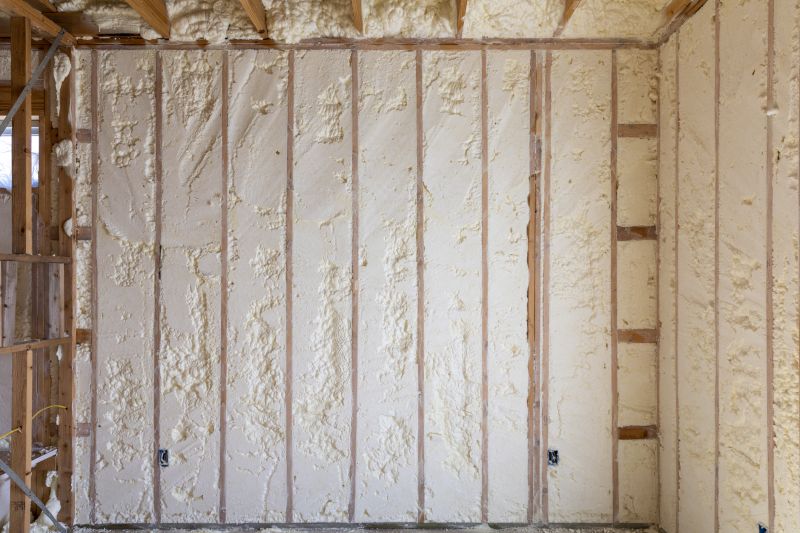
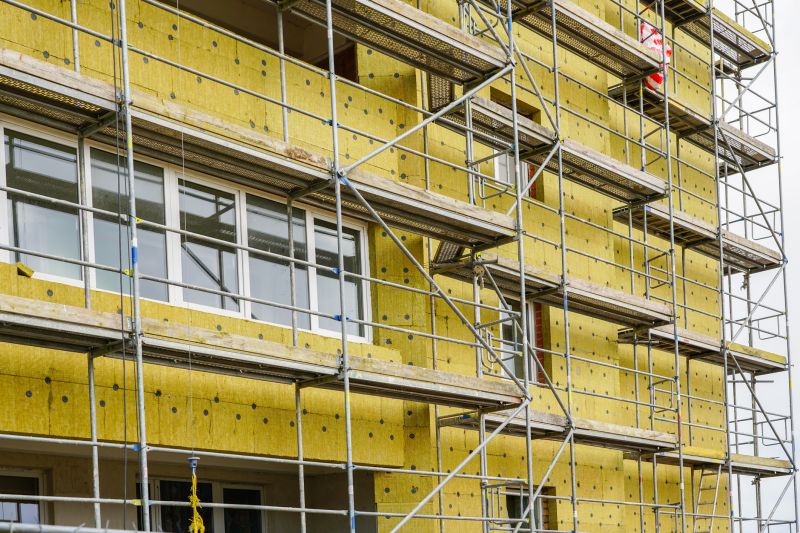
What types of insulation are commonly used in residential properties? Common options include fiberglass batts, spray foam, cellulose, and mineral wool, each offering different benefits for energy efficiency and comfort.
How does insulation improve a home's energy efficiency? Proper insulation reduces heat transfer, helping maintain consistent indoor temperatures and lowering heating and cooling costs.
What areas of a home typically need insulation upgrades? Attics, walls, basements, and crawl spaces are common areas where insulation can enhance energy performance.
Are there signs that indicate a home needs new or additional insulation? Signs include uneven temperatures, high energy bills, drafts, or visible gaps in existing insulation.
Request Residential Insulation Service in Austin, TX
Use the quote form on this page to share the basics of your project and request more information for the type of work you need.