Compare Local Contractors for Batt Insulation Services
Compare local contractors for batt insulation by defining your project scope, verifying experience, and setting clear expectations in writing to ensure a successful job.
Batt insulation services typically involve installing or upgrading insulation materials within a building’s walls, attics, and other cavities to improve energy efficiency and indoor comfort. These projects often include tasks such as measuring spaces to determine appropriate insulation quantities, selecting suitable batt products, and properly fitting insulation batts to minimize gaps and compression. Proper installation helps ensure that the insulation performs as intended, contributing to better temperature regulation and potentially reducing heating and cooling costs over time.
Defining the scope of work is a crucial step when working with contractors for batt insulation. Clear specifications help set realistic expectations and prevent misunderstandings about what the project includes. Property owners should consider detailing the areas to be insulated, the type and R-value of insulation required, and any additional work such as vapor barriers or air sealing. Having this information in writing can serve as a reference point throughout the project, ensuring that both parties agree on the work to be completed and the standards to be met.
When comparing local contractors for batt insulation, property owners should evaluate each service provider’s experience with similar projects and their ability to deliver the scope of work described. It’s helpful to ask for references or examples of past work to verify expertise. Additionally, obtaining written descriptions of the proposed work, including materials and procedures, allows for better comparison of what each contractor offers. Focusing on how well contractors understand the project scope and their approach to installation can lead to more informed decisions and a smoother process.
Compare local contractors by outlining your priorities, verifying experience, and setting clear expectations in writing.
- Verify Experience - Ensure contractors have relevant experience in batt insulation installation.
- Compare Credentials - Review qualifications and references to assess the reliability of service providers.
- Define Scope - Clearly outline the work to be done and set expectations in writing.
- Assess Communication - Choose contractors who provide transparent and detailed explanations of their process.
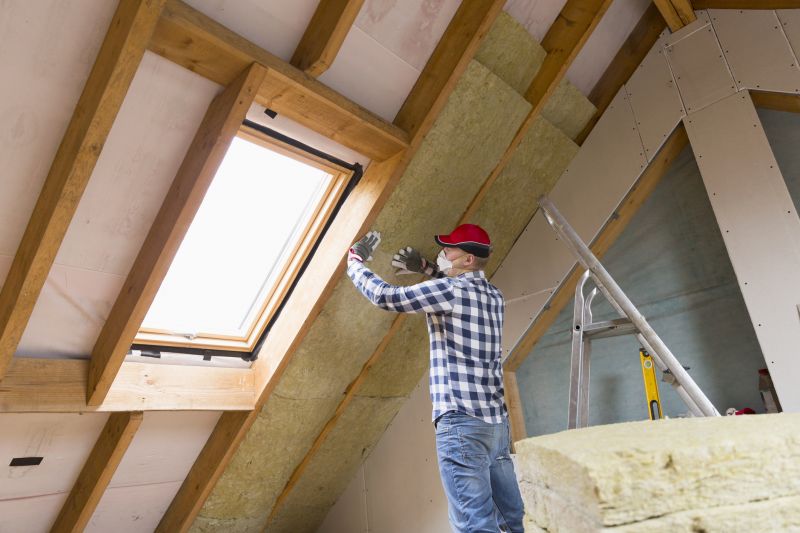
Clearly describe your batt insulation project to help local contractors understand your needs and compare their services effectively.
- Verify the experience and expertise of local contractors in batt insulation installation. - Ensure service providers clearly define the scope of work in written agreements.
- Compare the qualifications and reputation of multiple local contractors before making a selection. - Look for reviews, references, or case studies to assess their track record.
- Confirm that contractors are knowledgeable about proper insulation techniques and building codes. - Ask how they plan to handle areas that are difficult to access or require special considerations.
- Discuss the materials and insulation types that will be used to meet your specific needs. - Make sure scope details include insulation R-values and any necessary preparation work.
- Request detailed, written estimates that outline the work to be performed and materials to be used. - Clarify expectations and avoid misunderstandings by having everything documented.
- Ensure that the contractor provides a clear plan for protecting your property during installation. - Confirm how they will handle potential debris, dust, or disruption during the process.
Compare local contractors' experience and clarify project scope to ensure clear, written expectations.

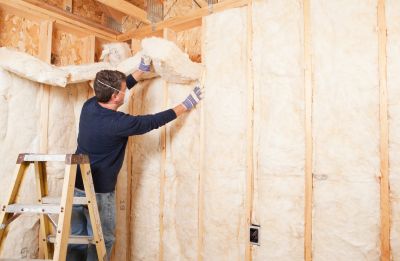
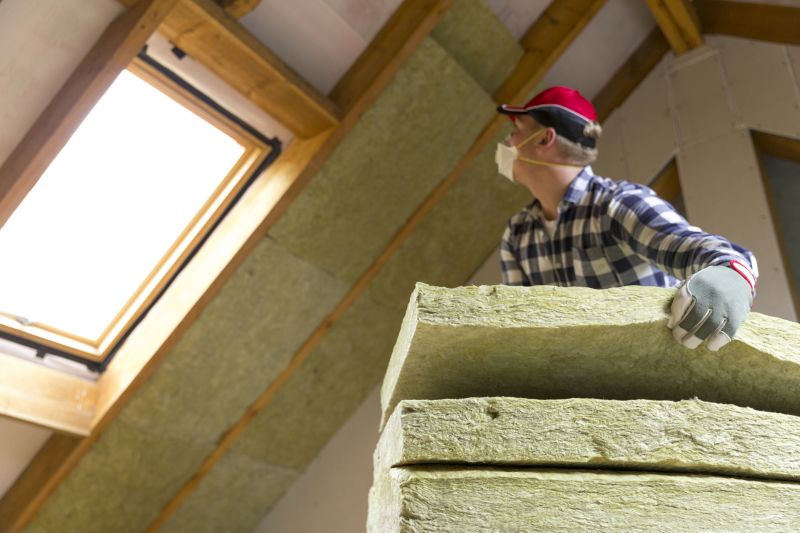
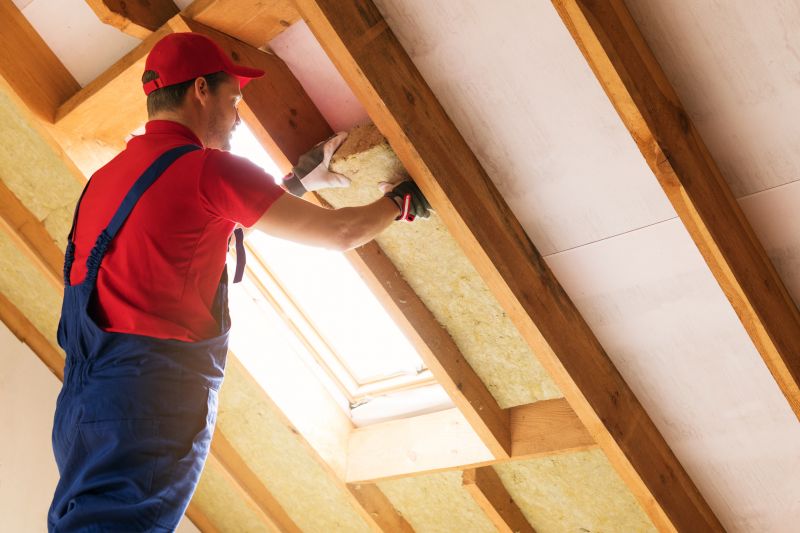
Use clear, consistent comparison criteria to evaluate local contractors’ scope, experience, and written expectations.
- Scope Definition - Clearly outline the specific areas and spaces where batt insulation will be installed or upgraded.
- Material Specifications - Specify the type and R-value of batt insulation to be used to ensure it meets project requirements.
- Experience and Qualifications - Verify that service providers have relevant experience handling batt insulation projects in similar settings.
- Work Standards - Establish expectations for installation quality, safety practices, and adherence to industry best practices.
- Documentation and Agreement - Ensure scope details, material choices, and work expectations are documented in a written agreement.
When evaluating contractors for batt insulation services, it’s important to consider their experience with similar projects. Homeowners should inquire about the types of insulation work they have completed in comparable settings, such as attics, walls, or crawl spaces, to gauge their familiarity with the specific requirements of the job. Contractors with a proven track record in handling projects of similar scope are more likely to understand the nuances involved and deliver results that meet expectations. Gathering details about their past work can help ensure that the service providers being considered have relevant experience suited to the home's needs.
A clear and detailed written scope of work is essential when comparing contractors. Homeowners should seek proposals that outline exactly what will be done, including the areas to be insulated, the type of batt insulation used, and any preparatory or finishing steps involved. A comprehensive scope helps prevent misunderstandings and ensures all parties are aligned on the project’s parameters. Service providers who can articulate the scope in writing demonstrate professionalism and clarity, making it easier to compare options based on the thoroughness and specificity of their proposals.
Verification basics involve confirming that contractors understand the standards for proper insulation installation. Homeowners should ask how service providers verify that batt insulation is installed correctly-such as checking for gaps, compression, or proper fit-and whether they follow industry best practices. While formal certifications or licenses are not the focus here, contractors who can explain their verification process and quality control measures show a commitment to delivering a properly installed product. This insight helps homeowners evaluate whether a contractor’s approach aligns with the goal of achieving effective insulation performance.
When comparing options, it’s helpful to assess how well each service provider communicates and how thoroughly they have outlined their approach. Homeowners should look for detailed proposals that address the scope, verification methods, and any relevant experience, rather than relying solely on general impressions. Asking questions about their process and requesting references or examples of completed projects can provide additional confidence. By focusing on the clarity of communication and the depth of information provided, homeowners can make more informed decisions about which local contractors are best suited to handle their batt insulation needs.
Request written scope details from local contractors to ensure clear expectations and consistent project understanding.
- **Experience and Expertise** - What experience do local contractors have with batt insulation projects similar to this one?
- **Scope of Work** - How do service providers define the scope of insulation installation to meet specific needs?
- **Materials and Methods** - What types of batt insulation materials and installation techniques do local contractors recommend?
- **Project Expectations** - How do local pros clarify the project scope and deliverables in writing before starting work?
- **Comparison Factors** - What criteria should be used to compare the qualifications and approaches of different service providers?
How can I compare different contractors for batt insulation services? To compare contractors, review their experience, verify references, and ensure they clearly outline the scope of work in writing to make an informed decision.
What should I ask contractors about their experience with batt insulation? Inquire about the number of similar projects they've completed and request details on their familiarity with specific insulation types and installation techniques.
How important is defining the scope of work when hiring a contractor? Clearly outlining the scope helps set expectations, prevents misunderstandings, and ensures all parties agree on the work to be performed.
What details should be included in a written agreement with a contractor? The agreement should specify the scope of work, materials to be used, project expectations, and any relevant warranties or guarantees.
How can I verify the experience of a potential contractor? Ask for references of previous clients and examples of similar projects to assess their expertise and reliability.
Why is it beneficial to work with experienced service providers for batt insulation? Experienced contractors are more likely to understand best practices, adhere to safety standards, and deliver quality results that meet project expectations.
Understanding the key aspects of hiring contractors for batt insulation services can help ensure the project meets expectations. Visitors have learned how to define the scope of work, verify the experience of local contractors, and set clear expectations in writing. Comparing different service providers allows for an informed choice tailored to specific needs, making it easier to find the right fit for the job.
To explore options and find the most suitable local contractors for batt insulation, using the quote form is recommended. This step helps connect with service providers who can handle the work, enabling comparison across multiple local options. Taking this approach can support making a well-informed decision aligned with individual project requirements.